After Tax Season in Hawaiʻi: The One Estate Planning Question Most People Skip
- Apr 23
- 5 min read

Tax season forces clarity.
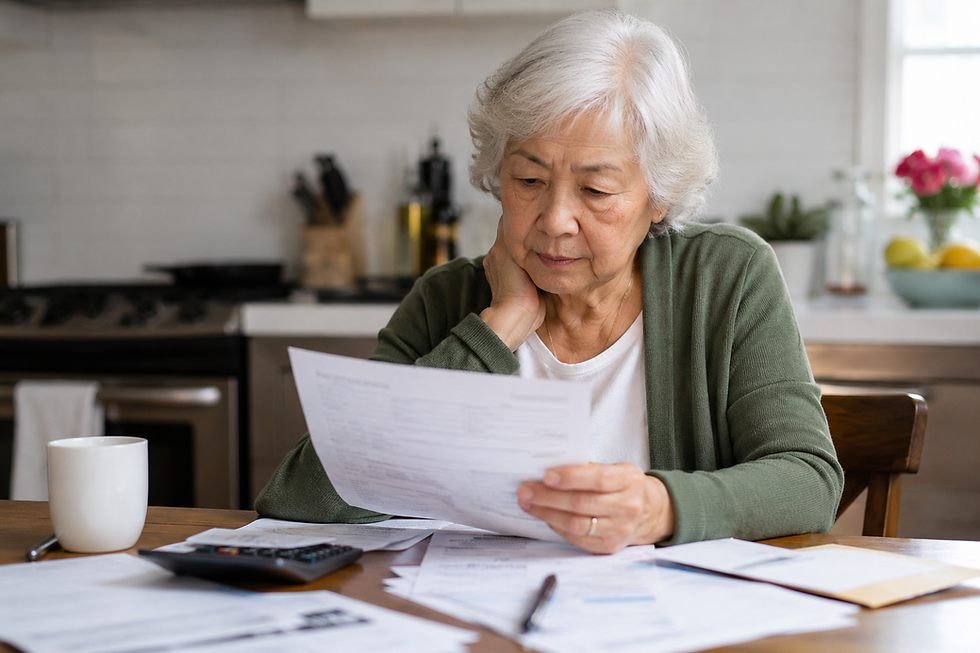
For a brief moment each year — usually around April — you have a complete, honest picture of your financial life. You’ve gathered statements, reviewed accounts, tracked income, and taken stock of what you own and what you owe.
But then, like most people in Honolulu and across Hawaiʻi, you close the folder, file your return, and move on.
And in doing so, you skip the most important question:
If something happened to you tomorrow, would your loved ones actually be okay — legally and financially?
Not just emotionally. Not just “they’ll figure it out.” But truly protected.
This is the moment to find out — while everything is still fresh in front of you.
You’ve Already Done the Hard Part — Don’t Waste It
Think about what you just reviewed for your taxes:
Investment and retirement accounts
Real estate and property ownership
Insurance policies
Business income or side ventures
Debts, liabilities, and obligations
That’s not just tax prep — that’s the foundation of an estate plan.
And chances are, something has changed since you last thought about your plan:
You bought or refinanced a home in Hawaiʻi
You changed jobs or rolled over retirement funds
Your family grew — or your relationship status changed
You inherited assets or increased your income
You became responsible for aging parents
Any one of these changes can quietly make an estate plan outdated — or worse, ineffective.
The reality: Most plans aren’t wrong when they’re created. They fail because they’re never revisited.
The Hidden Risk: Beneficiary Designations Override Everything
Here’s what surprises most people:
Your will or trust does not control everything.
Assets like retirement accounts, life insurance policies, and annuities pass based on beneficiary designations — not your estate plan.
That means:
If an ex-spouse is still listed, they may inherit
If a deceased person is listed, delays and complications follow
If your children are listed directly, they may receive a lump sum at the wrong time
Even courts routinely enforce these forms exactly as written — regardless of your intentions.
For many families in Hawaiʻi, these designations were filled out years ago and never revisited.
A simple check now can prevent a major problem later.
What Your Tax Return Reveals That Your Plan May Miss
Your tax return isn’t just about numbers — it’s a snapshot of your life.
And certain changes signal that your estate plan may need attention:
A New Dependent
If you now have a child, who has legal authority if something happens to you? Without proper planning, even temporary guardianship can become a serious issue.
A Change in Marital Status
Divorce or separation doesn’t automatically update your legal documents. An outdated health care directive or power of attorney could still give decision-making authority to the wrong person.
New Income Streams or Business Activity
If you’re earning business income — even a side hustle — who steps in if you can’t? Without a plan, operations can stall overnight.
Real Estate Ownership
Owning property in your individual name, even here in Hawaiʻi, can trigger probate — regardless of what your trust says.
Your estate plan doesn’t update itself.
It only works if it evolves with your life.
Estate Planning Isn’t About Documents — It’s About Alignment
Many people think reviewing their plan means pulling documents out of a drawer.
It doesn’t.
A meaningful review asks questions like:
Are the right people still named as decision-makers?
Do your documents reflect current Hawaiʻi laws?
Are your assets properly titled to avoid probate?
Would your family actually know what to do — and where to find everything?
Because here’s the truth:
Documents alone don’t protect your family.
Plans fail when:
They’re outdated
They can’t be found
No one understands them
There’s no one to guide the family when it matters most
That’s the difference between having paperwork — and having a plan that works.
Why This Moment Matters (Especially in Hawaiʻi)
In a place like Hawaiʻi, where real estate values are high and families are often closely connected, the stakes are even greater.
A missed detail — like an outdated beneficiary or improperly titled property — can lead to unnecessary court involvement, delays, and added costs.
And once that process starts, your family is left to deal with it during an already difficult time.
What You Can Do Right Now
You don’t need to overhaul everything today.
But you can take a few simple steps while your financial picture is still clear:
Review beneficiary designations on all accounts
Confirm how your assets are titled
Consider whether your plan reflects your current family situation
Identify any gaps in decision-making authority
From there, the next step is having the right conversation.
A Better Approach to Planning
A well-designed estate plan isn’t just a set of documents — it’s a system.
One that stays current. One your family can actually use. And one that comes with guidance when it matters most.
For families in Honolulu and throughout Hawaiʻi, that means creating a plan that works not just on paper — but in real life.
Because the goal isn’t just to have a plan.
It’s to make sure your family never has to figure things out the hard way.
FAQs
Do I need to update my estate plan every year?
Not necessarily every year, but you should review it after major life or financial changes — many of which are visible during tax season.
Do beneficiary designations really override a will or trust?
Yes. Retirement accounts, life insurance, and similar assets pass based on the beneficiary form, not your estate plan documents.
What happens if my estate plan is outdated in Hawaiʻi?
Outdated plans can lead to probate, unintended beneficiaries, or delays in decision-making — especially with real estate.
Is estate planning only for wealthy families?
No. Anyone with assets, dependents, or decision-making concerns can benefit from having a clear, updated plan.
📍 Based in Honolulu | Serving all of Hawaiʻi
📅 Schedule your Life & Legacy Planning Session here
📞 You can reach us at 808-725-3454
This article is brought to you by the Law Office of Keoni Souza, a boutique estate planning firm located in Honolulu, Hawaiʻi, proudly serving families on Oʻahu and across the Hawaiian Islands. At our firm, estate planning is about more than documents — it’s about creating lasting peace of mind for you and the people you love. Through our unique Life & Legacy Planning Process, we guide you to make informed, empowered decisions that protect your wealth, your wishes, and your family’s future. To get started, contact our Honolulu office today to schedule your Life & Legacy Planning Session.
Disclaimer: The information on this website is for informational purposes only and should not be considered legal advice. For guidance tailored to your specific situation, please consult an estate planning attorney licensed in the State of Hawaiʻi. Use of this website or communication through this site does not create an attorney-client relationship with the Law Office of Keoni Souza, LLC.